Author Archives: admin

Learning To Live Like Jesus Did

Sunday Worship Notes for November 15, 2020

Read Matthew 7:13-29

Read Acts 3

Read Acts 4:1-31

  • When we read the Bible,  listen to Jesus’ words and actually put them into practice in our lives, we will build our lives on a solid foundation. 
  • Unfortunately the opposite is true. When we do not read the Bible, or listen to Jesus’ words nor put them into practice, we do not build our lives on a solid foundation.
  • It takes effort to enter through a narrow gate. We have to make intentional and deliberate decisions like first of all believing that Jesus's words are true and real. The gate narrows further when we decide to not only believe but to obey those words. Finally, we have to consider obedience with the right heart and motivation.
  • Peter and John were putting what they learned and heard from Jesus into practice by preaching the Good News to others and healing people.
  • As disciples of Jesus, today we too can follow this example and learn from Jesus’ words and put them into practice.
  •  As we learn from Jesus, we can teach others to follow Jesus and bring spiritual healing to them.
  • When we let Jesus’ teachings influence our mind, our culture, our actions, we will have a great positive impact on our world. 
  • When we know the Love Jesus has for us, then we will know how to love others the way Jesus did. We will be able to love others beyond their political beliefs, their economic situation, their race, their gender or any circumstance that may be different than our own. 

Question:

What does putting Jesus’ words into practice look like for you? How do we take what Jesus says and make it functional, active, and not just an agreement with a philosophy?

Tagged , , , , , ,

Restore to Me the Joy of Your Salvation

Do you feel guilty or feel bad about something that you've done...thought...said? Ashamed? Full of regret? Have you shared your struggle(s) with anyone?

In Psalm 51, David shares how he felt when he was dramatically confronted with his sins by the propet Nathan (2 Samuel 12:1-25): an extended experience of lust and adultery that led to murder and resulted in tremendous guilt and the loss of his infant son shortly after his birth. In this Psalm, he experiences the fulness and depth of guilt, shame and regret, yet in the very realization of how his sin is not just against Uriah and Bathsheba, his court and his nation, but against God...David experiences the joy of hope in God's forgiveness and ultimate salvation. This Psalm is a great example of why David was known as a man who was "after God's own heart." His example of dealing with his adultery, murder, lying and covering up his sin when confronted is a great example not only of true repentance, but of faith and hope in God's power and will to save. To redeem. To transform us into the people he envisions us to be.

In Luke 18:9-14, Jesus tells a story about two men praying. He highlights the spiritual result of being humble and in touch with one's own sinfulness in a healthy way (c.f., Psalm 51:14-19). Repentance and inward spiritual transformation must occur in order for ritual sacrifices to be meaningful (c.f., Psalm 51:18-21).

Psalm 103 reminds us that the God who made us from dust knows exactly who and what we are. He made us. He knows we are weak and sinful and he loves and forgives us. He is full of compassion and grace. "Merciful and gracious is the LORD, slow to anger, abounding in kindness."

Hebrews 10 explains that Jesus is the ultimate "once and for all" sacrifice that really does take away our sins for good. So "let us consider how we may spur one another on toward love and good deeds, not giving up meeting together, as some are in the habit of doing, but encouraging one another—and all the more as you see the Day approaching."

Tagged , , , , , , , , ,

Passages Exhibit Field Trip


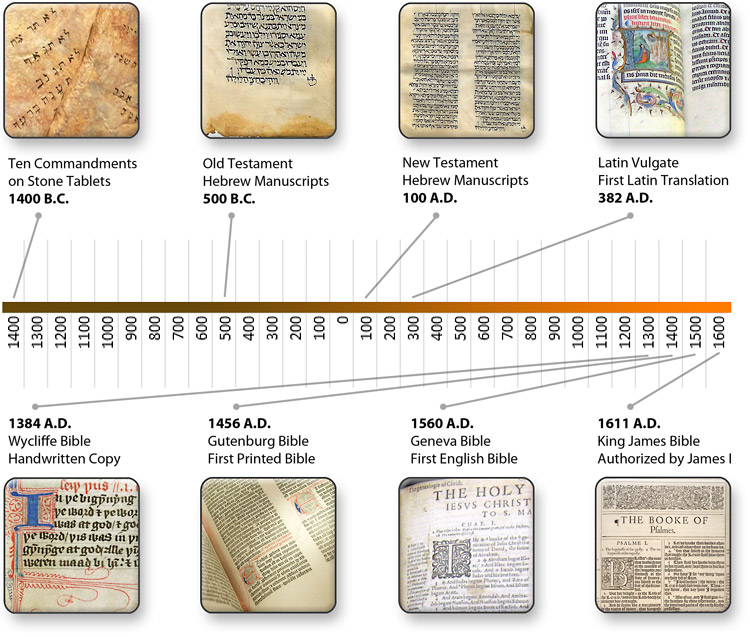
On Saturday, April 14, 2012 many of us will be traveling to Atlanta to see the Passages Interactive Bible Exhibit, an exhibition of how the Bible has been written, copied, translated, published and distributed throughout history.  This special exhibit of the history of the printed Word of God is in honor of the 400th Anniversary of the King James Version of the Bible (1611) in 2011.

Highlights of the exhibit include: The Jewish Scribe Room, The Christian Scribe Room, European Translations, Gutenberg's Print Shop, Reformation Theatre (reenactments) and Early Reformation Bibles, William Tyndale, Jerome's Cave, Early English Bibles, Correction (how printed versions were corrected), and Adornment (artistic traditions in biblical production).
 

Tagged , , , , , ,

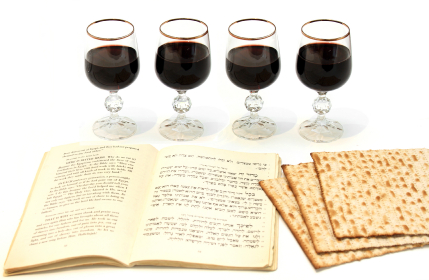
Exodus 6:2-9 The Four (sometimes Five) Cups of Passover

passover sederDuring the course of a traditional Jewish Passover seder there are four cups of wine which are drunk by those present.  Each cup is connected to an aspect of deliverance mentioned by God in Exodus 6:6-7 (Read Exodus 6:2-9 for full context).  Some Jewish groups have a Fifth Cup which is not drunk, it will be drunk when  Messiah comes (cf. Matthew 26:29).

For our Midweek Bible Study we will discuss this passage and it's fulfillment in Jesus Christ.

We will be meeting at the Hayes' House tonight (Tuesday, April 10, 2012).

Tagged , , , , , , ,

What Jews Can Learn From the New Testament

There's an interesting, free online for a limited time, article in the recent issue of Biblical Archaeology Review entitled What Jews (and Christians too) Should Know About the New Testament by the popular Jewish scholar, teacher, and author Amy-Jill Levine.  Dr. Levine is an Orthodox Jew who teaches both New Testament and Jewish Studies at Vanderbilt University.  She has spent the bulk of her career introducing the New Testament to a Jewish audience and getting Christians and Jews alike to appreciate that the New Testament is fundamentally a collection of Jewish documents intended for a largely Jewish audience and composed by Jewish authors.  This understanding of a common and shared heritage among Jews and Christians in the early centuries of Christianity fosters an environment where both groups can experience a deeper understanding and perhaps growth in spiritual depth from reading and applying the teachings of Jesus, the Apostles and the other New Testament writers.

The Faith of a Military Man: Luke 7:1-10

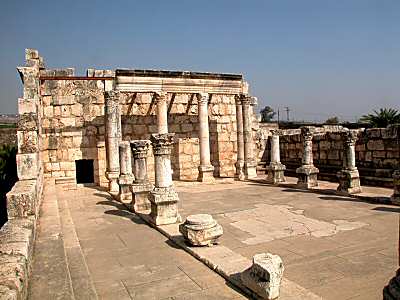
Synagogue at Capernaum

Remains of a 4th c. AD Synagogue Built on the Site of Original 1st Century Synagogue Built by Roman Centurion

Luke 7:1-10

Jesus was amazed at this man's faith. He had more faith than all of Israel during Jesus' time.

Would Jesus be able to say the same about anyone in your church? Why or why not?

Where does faith come from?

What evidence is there in the text to support Jesus' statement about the centurion?

Tagged , , , , , ,

God Prepares Men to Lead His People Exodus 17-18

Exodus 17-18

God Prepares Men to Lead His People

God has already called and established Moses and his brother Aaron as leaders over his people, as well as Joshua ben Nun, a capable young man, as Moses' protegé and intern leader-in-training.  Now, God begins to prepare and groom leaders, old and new, from among His people. 

Passages:

  1. Ex 17:1-7
  2. Ex 17:8-16
  3. Ex 18:1-27


Tagged , , , , , , , , , , ,

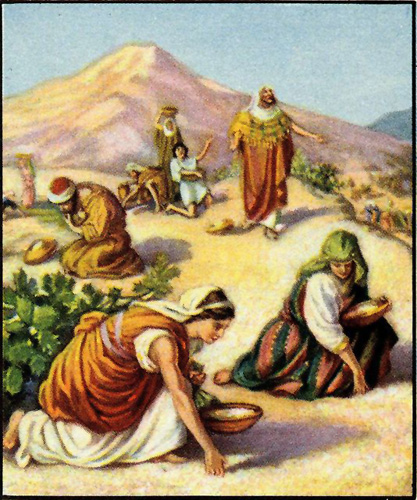
God Lovingly Provides For His Ungrateful People

manna

Today we read and discussed Exodus 15:22-27, Exodus 16:1-36, and Exodus 17:1-7 which together show how God lovingly provided for His people after freeing them from slavery in Egypt by providing them with water, meat, and daily bread for forty years while he prepared them to be a holy people ready to enter the Promised Land and while they complained nearly the entire time.

Skip to toolbar